


















































































































Asian and Pacific Rim leaders pledge support for trade and investment that ‘benefits all’
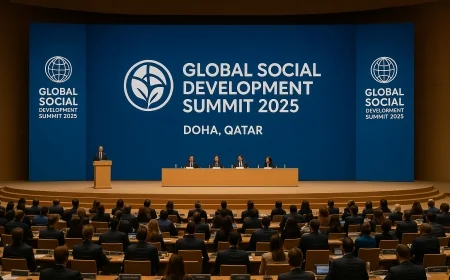
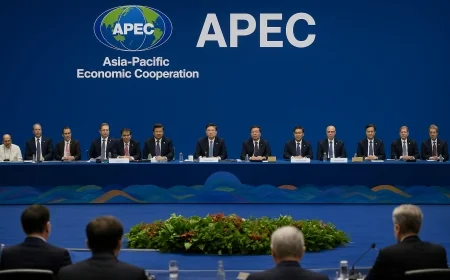
Gyeongju, South Korea – Leaders from across Asia and the Pacific Rim have concluded the APEC summit with a pledge to support trade and investment that “benefits all,” following a high-profile agreement between the United States and China to ease tensions in their long-standing trade dispute.
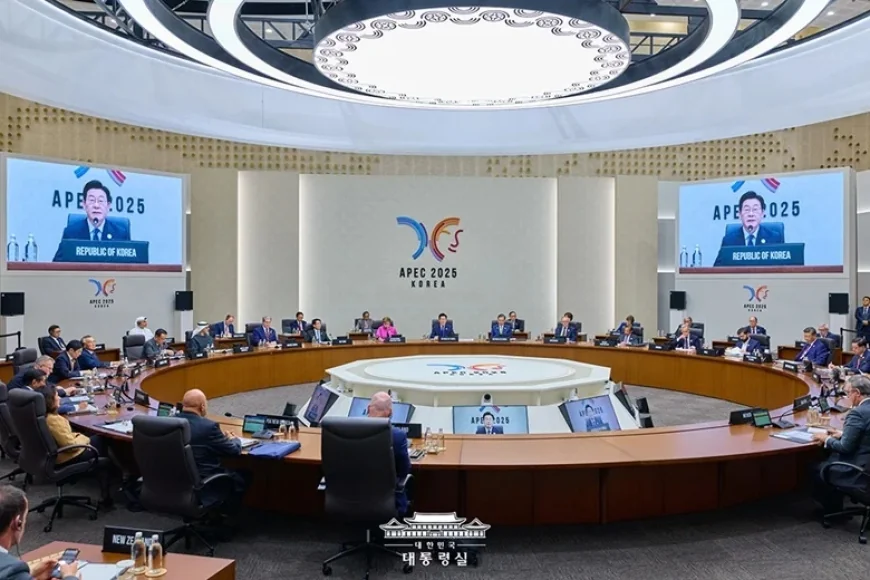
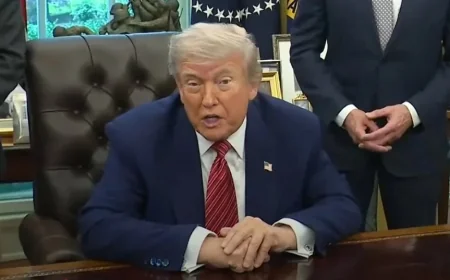
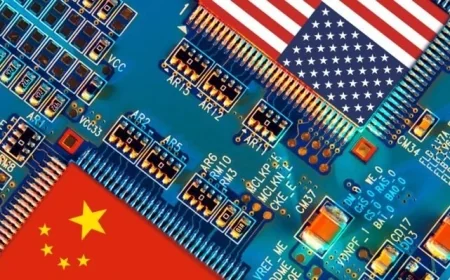
US President Donald Trump and Chinese President Xi Jinping met on the sidelines of the summit, marking their first face-to-face discussion since 2019. The leaders agreed to lower the temperature in the heated US-China rivalry, setting the tone for the broader Asia-Pacific forum.
During the opening of the two-day economic forum, Xi emphasized the need for cooperation among nations facing an “increasingly complex and volatile” global environment. The official APEC declaration stressed that robust trade and investment are critical for the region’s growth and highlighted a commitment to deepening economic cooperation to navigate evolving global challenges.
The 21-member bloc, which includes the US, China, Japan, and South Korea, aims to advance market-driven economic integration, capacity building, and business engagement. Leaders also underscored regional collaboration on emerging technologies such as artificial intelligence and demographic challenges stemming from declining birth rates.
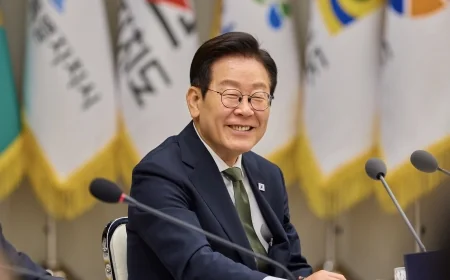
South Korean President Lee Jae Myung, the summit host, warned of a global landscape marked by uncertainty. “The free trade system is experiencing strong turbulence, global economic uncertainty is deepening, and momentum for trade and investment is weakening,” he said.
Despite the declaration, the statement notably avoided explicit references to multilateralism or the World Trade Organization, reflecting growing global populism and shifting consensus on free trade. Experts described the process of reaching a joint statement as highly delicate.
In addition to the multilateral discussions, Lee held bilateral talks with Xi, the first since his election in June. The leaders emphasized strategic communication to resume dialogue with nuclear-armed North Korea and pursue shared prosperity, aiming to shift from a vertical to a mutually beneficial economic relationship.
South Korea continues to navigate a delicate balance between the US, its security guarantor, and China, its largest trading partner. The country exported nearly one-fifth of its goods to China in 2024, valued at $133 billion, while the US remained the second-largest destination at $127.8 billion. The deployment of US THAAD missile defenses and past diplomatic disputes have tested Seoul’s ties with Beijing, making careful diplomacy essential.
Experts suggest President Lee seeks stability in South Korea’s key relationships, aiming to reduce tensions with China while maintaining strong security ties with the US. Early signs indicate his administration is approaching these issues with discretion, focusing on long-term strategic balance rather than public confrontation.