
















































































































Brazil’s Indigenous Minister demands recognition of native land rights as climate policy at COP30
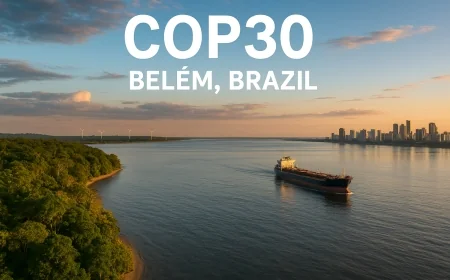
Sonia Guajajara, Brazil’s Minister for Indigenous Peoples and a veteran activist, stated at the COP30 summit in Belém that countries must formally recognize the demarcation of Indigenous lands as a crucial component of global climate policy. She stressed that civil society must help defend these territories against exploitation by the mining industry, which is seeking “critical minerals” required for the transition to renewable energy.
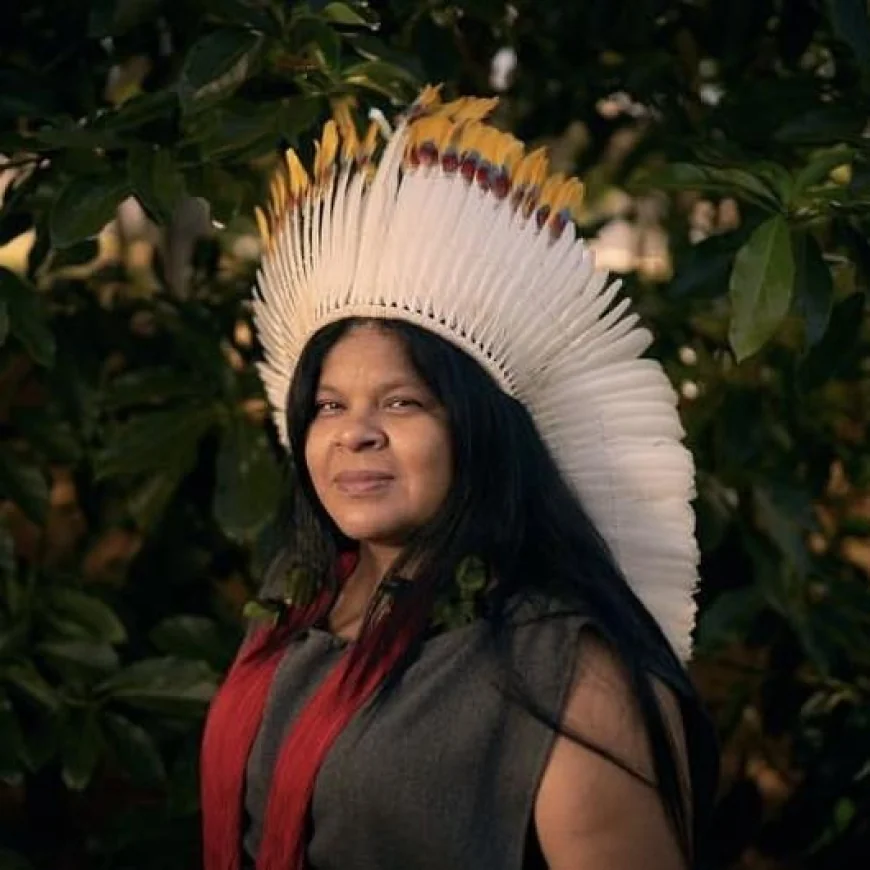
“A request that countries recognise the demarcation of Indigenous lands as climate policy,” is one of the key goals of the summit, Guajajara confirmed. She hopes the debates within traditional communities, Afro-descendants, and Indigenous peoples at COP30 will generate recommendations for the final conference text.
Exploitation and Contamination
Guajajara issued a strong warning that the rights of Indigenous peoples must be maintained in the face of mining interests. The pursuit of critical minerals and gold, which are increasing in value due to the energy transition, has intensified exploitation, leading to river contamination from mercury used in gold extraction, notably in the Tapajós and other Amazonian rivers. Brazil’s congress, dominated by agribusiness and mining interests, is actively pushing for further exploration, including opening up the Yanomami territory, the largest Indigenous lands in Brazil, to industrial mining.
Guajajara affirmed the government is fighting these plans, noting: “Our federal constitution guarantees the exclusive right to the territories of Indigenous peoples… We have to talk and persuade congress not to approve these plans.”
Tropical Forest Forever Facility Controversy
One of the central mechanisms Brazil hopes will benefit the Amazon is the newly launched Tropical Forest Forever Facility (TFFF). The fund is designed to compensate countries with large standing forests for forgoing the short-term financial gains from logging or conversion. Brazil is hoping the TFFF, which has already received about $5.5 billion in pledges, will reach a total of $125 billion ($25 billion public funds and $100 billion from financial markets).
However, Guajajara expressed regret over the United Kingdom’s decision not to invest in the TFFF, despite having helped design the initiative. “It is regrettable that Britain is not contributing resources,” she said, noting that they had previously signaled an intention to invest. This decision has reportedly cooled relations between Brazil and the UK.
China, another nation expected to invest, has expressed support but has not quantified its commitment. Environment minister Marina Silva said China's hesitation is understandable, given its long-held position that rich, industrialized nations bear the primary financial responsibility for the climate crisis. Silva stressed that the TFFF is an "investment," not a donation, making it different from traditional climate finance.